
Who Pays on the First Date in the Philippines? The Real Expectation
Key Takeaways
- In the Philippines, the person who extends the first date invitation traditionally pays the entire bill, regardless of gender—this reflects responsibility for hosting, not financial hierarchy or gender roles.
- When a Filipina offers to split the bill or pay her portion, it’s a courtesy gesture signaling independence; gracefully declining this offer is the culturally appropriate response.
- Choose the restaurant venue yourself rather than asking her to decide, as women often fear being seen as materialistic or may worry about putting financial burden on you.
- If she brings friends to the date without prior discussion, understand this reflects common Filipino safety practices and cultural values, not manipulation—handle it graciously and consider discussing one-on-one preferences beforehand.
- Discussing logistics like whether she’s bringing companions before the date prevents misunderstandings and shows respect for her comfort and your expectations.
You asked a Filipina to dinner. She said yes. Now you’re wondering whether you’re expected to pick up the entire tab, whether splitting would make you look cheap, or whether this whole thing is somehow a setup. This exact anxiety shows up in nearly every first-time conversation about who pays on the first date in the Philippines, and the answer is more cultural than financial. Getting it right isn’t about the money; it’s about understanding the logic behind the gesture.
On a first date in the Philippines, whoever invites traditionally pays for the meal, regardless of gender. Making a courtesy offer to split shows respect and equality. The key is discussing logistics beforehand, especially whether she’s bringing friends, to avoid misunderstanding.
In the Philippines, Whoever Invites Pays on the First Date
The invitation carries the bill. That principle runs through Filipino etiquette across all social meals, not just romantic dates. According to the Manila Bulletin (2022), the person who extends the invitation is understood to be hosting, and that framing matters.
This isn’t about gender hierarchy. It’s about responsibility. Taking the initiative to invite someone means you’ve committed to the occasion, including its costs. Many Filipinas still associate this with the man’s role in courtship, particularly outside Metro Manila or among women who grew up in more traditional households. Younger, more educated women in cities like Cebu or BGC may hold more flexible views, but even they generally expect the inviter to lead on payment.
The rule is also why going Dutch on a first date lands badly for many Filipinas. Men in expat communities often report confusion when a Filipina seems put off by a 50-50 suggestion. It’s not that she’s calculating a free meal; it’s that splitting signals you’re uncertain about whether this is actually a date. To her, it reads as emotional ambiguity, not fairness.
So if you asked her out, plan to pay. That’s not pressure; it’s the protocol.
First Date Payment Etiquette in the Philippines Starts With the Venue Choice

Ask a Filipina “where do you want to go?” and you’ll often get a shrug, a smile, and “anywhere is fine.” That’s not indifference. A cultural commentator on Filipino dating dynamics explains it this way: being asked to choose a restaurant puts her in an uncomfortable position, because she fears you’ll privately resent her choice, especially if it’s expensive. Suggesting a pricey venue feels materialistic. Suggesting something cheap feels like she’s putting you down. So she deflects.
The solution is simple: suggest the venue yourself. Mid-range, familiar spots work best for a first date, a well-regarded local seafood restaurant, a casual Filipino grill, or even a Jollibee if the vibe is relaxed and you’re both up for it. The same cultural commentary notes that Filipinas are generally not adventurous eaters and prefer comfortable, familiar food choices over upscale or exotic cuisine. A reservation at a fine-dining place isn’t just unnecessary; it can actually make her more nervous, not more impressed.
This is where choosing the right venue and meal type becomes part of the payment conversation. A mid-range restaurant removes the awkward guessing game about costs for both of you. You can plan a budget, she can relax, and nobody feels like the evening is financially charged before it’s even started.
When She Brings Friends: What Group Accompaniment Actually Means
Here’s the scenario that shocks most Western men. You’ve arranged a date. You arrive at the restaurant. She walks in with two friends. You freeze.
Men in expat communities consistently report this as one of the most disorienting first-date experiences in the Philippines. The instinct is to feel played, three meals instead of one, no privacy, and the sense that you’ve been ambushed. But that framing misses something important.
In Filipino culture, group accompaniment on a first date is normal and common. It reflects communal values and a practical approach to personal safety that Filipinas learn early. A woman meeting a foreign man she’s only known online isn’t being paranoid or manipulative by bringing a friend. She’s being sensible, and her cultural context supports that completely. It’s not distrust of you specifically; it’s a pattern that predates the two of you.
That said, you’re entitled to have a real one-on-one date. The way to handle this isn’t to show up and be surprised; it’s to have a brief, direct conversation beforehand: “I’d really like to get to know you properly. Is it okay if it’s just the two of us, or would you prefer to bring a friend along for your comfort?” That phrasing acknowledges her safety needs without making her feel accused of anything.
If she brings friends anyway after that conversation, be gracious. You’re watching her cultural instincts in action, not being scammed. Cover the meal, be friendly, and use the evening to see how she navigates social situations. You’ll learn a lot.
Filipina First Date Expectations Around the Check and the Courtesy Offer
The bill arrives. What happens next is a small cultural performance that both sides are expected to play correctly.
If you invited her and plan to pay, she will likely offer to split, or at least to cover her portion. This offer is genuine in its intention and almost always expected to be declined. According to the Manila Bulletin (2022), this courtesy offer signals that she isn’t treating the occasion as a free meal; she’s signaling independence and respect. Declining it gracefully is the right move.
A clean response: “I’ve got this — I’d love your company for coffee next time.” That line does three things at once. It closes the bill conversation, it signals interest in a second date, and it keeps the tone light. No one has to feel indebted, and no one has to argue over a receipt in a restaurant.
What you want to avoid is a prolonged back-and-forth in public. It creates tension, draws attention, and ends up feeling controlling rather than generous. One graceful decline is enough.
There is a variation here worth acknowledging. Some Filipinas, particularly younger, more educated women with professional careers, will genuinely prefer to pay their share. They don’t want to feel like they owe you a follow-up date or an emotional debt. If she insists firmly, accept it. Fighting it at that point stops being chivalrous and starts being condescending.
Reading Filipina first date expectations around money isn’t about finding a rule to follow robotically. It’s about reading the specific woman in front of you.
Does the Man Pay for the First Date in the Philippines, or Is This a Free Meal Setup?
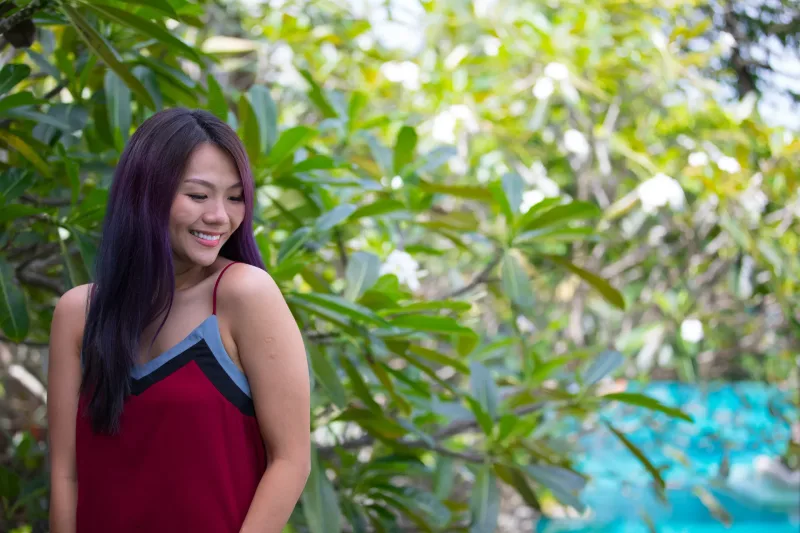
Let’s name this objection plainly: if she expects you to pay, isn’t that just using you for a free dinner?
No, and here’s why that framing misreads the situation. Filipina first date expectations around payment are tied to who extended the invitation, not to any assumption that the man is a financial resource. The Manila Bulletin’s etiquette guidance frames it as reciprocal: the inviter hosts, but the invitee is expected to offer to contribute. It’s a two-party protocol, not a one-directional extraction.
If you’re worried about being taken advantage of, look at behavior, not the payment convention. A woman who shows genuine curiosity about you, remembers things you’ve said, puts effort into her appearance, and stays present in the conversation isn’t there for a free meal. A woman who arrives late, barely engages, and immediately asks what gifts you’re planning to bring might be a different story, but that’s about individual character, not Filipino dating culture.
The broader point: does the man pay for the first date in the Philippines because it’s a cultural expectation, or because women are extracting value? The honest answer is the former. Paying for dinner is a gesture of care and courtesy, not a financial contract. It doesn’t entitle you to anything in return, not a second date, not physical affection, not ongoing financial favors. That logic holds everywhere, but it’s worth saying plainly here.
It’s also worth addressing a related objection: some readers feel that having to negotiate friend-accompaniment in advance is itself a sign of manipulation. It isn’t. Asking upfront whether you’ll be meeting one-on-one is practical logistics, the same way you’d confirm the time and the place. It shows you’ve thought about the evening seriously.
How to Handle the End of a Date That Did Not Go Well
Sometimes you get to the end of the meal and you both know it isn’t there. Handle it with decency.
Pay for her meal regardless. She showed up, made the effort, and spent the evening with you. The etiquette doesn’t change because the spark didn’t appear. A kind, honest message after the fact costs nothing: “You’re lovely to spend time with, but I don’t feel the connection we both deserve. I hope you find it with someone else.”
Don’t ghost. It’s disrespectful, and in a culture where reputation and relationships are interconnected, how you behave after a date matters. You may have mutual connections. You may run into her in the same city.
Never frame payment as something she owes you. Not a second date. Not a reply to your messages. Not anything. You paid for a meal because you invited her. That’s where the ledger ends.
A quieter issue worth mentioning: if she seemed distant or distracted during the date, don’t automatically read that as disinterest. A cultural commentator on Filipino dating notes that Filipinas often feel anxious about their English fluency when speaking with foreign men; brief answers, phone use, and quietness on a first date often signal nerves, not boredom. Give it more than one meeting before drawing conclusions.
For the practical side of structuring the evening itself, thinking ahead about managing first date timing takes a lot of the guesswork out of when to arrive, how long to stay, and when to wrap things up gracefully.
Common Questions About Who Pays on the First Date in the Philippines
Who should pay for the first date in the Philippines?
The person who extended the invitation typically pays, and on most first dates between a Western man and a Filipina, that’s the man. This is consistent with Filipino etiquette across all social meals, not just romantic ones. It isn’t a gendered power dynamic; it’s a hosting responsibility. Plan to pay if you asked her out.
Is it normal for Filipinas to bring friends on first dates?
Yes, entirely. Group accompaniment is a genuine cultural practice in the Philippines, particularly when a woman is meeting someone she hasn’t spent much in-person time with yet. It reflects communal values and a practical approach to safety. It isn’t a red flag or a sign that she doesn’t trust you. If you’d prefer one-on-one time, discuss it before the date, not in the moment.
Does the man pay for the first date in the Philippines, or is splitting acceptable?
Splitting is more common among younger, urban Filipinas who have lived abroad or work in professional environments. But for most first dates, it reads as ambiguous rather than fair. If she makes a genuine offer to contribute, decline gracefully once. If she insists on paying her portion after that, accept it without a fight. Forcing the issue in either direction creates awkwardness.
What do Filipinas expect on a first date beyond the bill?
She expects you to lead on venue choice, arrive on time, and behave respectfully toward restaurant staff. She’s also watching whether you listen when she talks, not just whether you pick up the check. Suggesting a comfortable, familiar restaurant rather than a formal fine-dining experience sets a relaxed tone. Think mid-range Filipino food, not a rooftop tasting menu.
How much should I spend on a first date in the Philippines?
A comfortable mid-range dinner for two in a Filipino restaurant in Metro Manila typically runs between 800 and 2,000 pesos, roughly $15 to $35 USD. You don’t need to spend more than that to make a good impression. Upscale venues can actually increase pressure on both sides. Spending within a reasonable range signals confidence, not poverty.
Is it an insult to offer to split the bill?
In most first-date contexts, offering to go Dutch upfront reads as either ambivalence about the date or inexperience with Filipino dating norms. She may not say she’s put off; her response will be polite. But the signal lands. If you’re genuinely uncertain about affording the date, choose a venue that fits your budget. Don’t arrive at an expensive restaurant and then suggest splitting the check.
Who Pays on the First Date in the Philippines Comes Down to Respect, Not Money
On a first date in the Philippines, whoever invites traditionally pays, and in practice, that’s almost always the man. But spending money is the smallest part of this. The men who get it right aren’t the ones who spend the most; they’re the ones who prepared the date thoughtfully, suggested a venue she’d be comfortable in, handled the bill without drama, and treated her with basic dignity regardless of how the evening went.
Understanding who pays on the first date in the Philippines is really understanding how respect gets communicated in Filipino courtship. Payment is a proxy for attentiveness. It signals that you thought about the occasion, that you considered her comfort, and that you’re not treating the date as a transaction. That’s what she’s actually evaluating.
If this is your first time dating a Filipina, don’t let the question of the check distract you from everything else that matters. Come prepared, stay present, and handle the logistics cleanly. The cultural framework isn’t complicated once you understand what it’s actually about.

Start Meeting Filipinas for Free
Meet Filipinas looking for serious relationships, real conversations, and meaningful connections.