
Filipino Wedding Traditions: Customs, Rituals, and What They Mean
Key Takeaways
- Filipino weddings blend centuries of Catholic, Indigenous, and Spanish colonial influences into a family-centered celebration where marriage joins two families, not just two individuals.
- The formal family meeting where the groom’s family asks for the bride’s hand is a critical cultural step that signals respect for her family’s role in the marriage.
- Wedding sponsors in Filipino traditions are elder mentors with lifelong responsibilities to guide the couple, not just ceremonial guests like Western best men and maids of honor.
- Key ceremonies include a veil and cord unity ritual, a coin exchange representing household commitment, and a money dance where guests offer blessings for prosperity.
- Modern Filipino couples adapt traditional customs to fit their values while maintaining cultural respect, with the level of tradition varying by region, generation, and family preference.
Most Western men assume a wedding is a wedding: you pick a venue, say the vows, eat dinner, and dance. Then you get engaged to a Filipina, and her family starts talking about formal meetings, sponsors, coin ceremonies, and a reception that might run until two in the morning. Filipino wedding traditions aren’t add-ons to a familiar script. They’re the script itself, built on centuries of cultural values where marriage isn’t a private event between two people but a public declaration that two families are now joined for life.
Filipino wedding traditions blend Catholic rituals, Indigenous practices, and Spanish colonial influences into a family-centered celebration. Key traditions include a formal family meeting to ask for the bride’s hand, a veil and cord ceremony as a unity symbol, a coin exchange representing a commitment and household promise, and a money dance where guests offer blessings for prosperity. Many modern Filipino couples adapt these customs to fit their values while honoring their cultural heritage.
Why Filipino Wedding Traditions Are Built Differently
Think of a Filipino wedding less like a private celebration and more like a public covenant. According to Sinta & Co, Filipino wedding traditions are a fusion of Indigenous, Spanish, American, Chinese, and Islamic cultural influences accumulated through centuries of interaction in the Philippines. That’s not a footnote. It explains why a single wedding can feel like it has five ceremonies layered inside one.
Western weddings typically frame marriage as a choice made by two individuals, with family in a supporting role. In Filipino culture, the family is a co-author of the marriage. Every ritual reinforces that idea. Sponsors witness vows not just as guests but as advisors who are expected to stay involved in the marriage. Food served at the reception communicates regional heritage and community care. The ceremony’s timing, structure, and participants reflect who the families are and how they stand in the community.
None of this is about spectacle for its own sake. Each element carries meaning that dates back generations.
There’s a reasonable objection worth addressing directly: aren’t these old-fashioned customs nobody actually follows anymore? The reality is more complicated. Traditions vary significantly by region, generation, and family. In Metro Manila, some families run a streamlined, modernized ceremony. In provinces like Cebu or Pampanga, traditional elements are preserved in full. What’s consistent is that even couples who simplify still understand what they’re simplifying. You can’t opt out of what you don’t know.
Modern couples pick which traditions align with their values, and adaptation is expected, not disrespect. But there’s a difference between a deliberate choice to streamline and accidentally skipping something because you didn’t know it mattered. That’s what this article is for.
The Formal Family Meeting That Sets the Tone for Everything

If you’re engaged to a Filipina and haven’t heard about the formal pre-wedding family meeting yet, you will. It refers to the structured occasion where the groom’s family formally asks the bride’s family for her hand in marriage. According to Sinta & Co, it’s rooted in collective culture and family-centered decision-making: the idea that marriage isn’t just between two individuals but between two families who are about to become permanently connected.
The meeting typically takes place at the bride’s family home. The groom’s family brings food, sometimes flowers, and occasionally gifts. Both families gather, often over a meal. The groom’s father or a senior male relative formally expresses the intention to ask for the bride’s hand. This is where wedding logistics also get discussed: the date, financial responsibilities, the guest list structure, and sometimes which traditions will be honored.
What makes this meeting significant isn’t the format. It’s the signal it sends.
If you show up for it, you’re telling her family that you respect their role in this marriage. If you skip it or treat it as optional, you’re communicating the opposite, even if that wasn’t your intention. Men in expat communities who have navigated Filipino engagements consistently report that this meeting was the moment her family decided whether to trust them. Not the proposal. Not the ring.
For cross-cultural couples, the format may look different. If the groom’s family isn’t Filipino and can’t travel, a video call with both families present can work. Some couples host it at a restaurant rather than the bride’s family home. The specifics can flex. What shouldn’t flex is the principle: you are asking, not assuming.
The engagement process and family involvement that follows this first meeting carries its own set of expectations, from ring ceremonies to pre-wedding events, and understanding how it shapes the rest of the process keeps you from being blindsided later.
Wedding Sponsors: More Than Ceremonial Roles
In most Western weddings, the best man and maid of honor are close friends with specific day-of responsibilities. In a traditional Filipino wedding ceremony, the sponsor system operates on a different logic entirely.
Male and female sponsors are elder figures chosen by the couple to serve ceremonial and lifelong mentoring roles. According to The Knot, they reflect the collective culture’s emphasis on family above individual choice. These aren’t honorary titles. In traditional Filipino thinking, sponsors are making a commitment to the couple’s marriage, not just their wedding day.
A traditional Filipino wedding can have a large number of sponsors, sometimes dozens of pairs, organized into different categories. Some sponsors participate in the ceremony itself, draping the veil, tying the cord, holding the candles, or presenting the coins. Others serve as witnesses and symbolic supporters. The sheer number is partly social (honoring close family ties and community relationships) and partly practical (sharing financial responsibility for the wedding).
For a Western partner, this can feel overwhelming. You might wonder why there are 20 guests with assigned roles. The answer is that in Filipino culture, being asked to be a sponsor is an honor, and the couple’s sponsor list reflects the full network of family relationships and community respect that the marriage is entering.
Modern couples streamline this. Some keep sponsors purely ceremonial. Some limit the number to just those who will physically participate in the ceremony. What rarely gets cut entirely is the role itself, because the sponsors represent the community’s blessing on the marriage.
Inside the Traditional Filipino Wedding Ceremony

The majority of Filipino weddings take place in Catholic churches, and the traditional Filipino wedding ceremony incorporates several ritual elements you won’t find in a standard Western Catholic wedding. Understanding each one before you’re standing at the altar helps.
The veil and cord
During the ceremony, sponsors drape a white veil over the bride’s head and the groom’s shoulders, and a cord shaped in a figure-eight loop is placed around both of them. According to The Knot, this symbolizes unity and lifelong connection. The figure-eight shape is deliberate: it represents a bond that has no end point. Two sponsors typically handle each element, and the physical act of being wrapped together by your community’s elders carries a weight that words alone don’t.
The coin exchange
One of the most distinctly Filipino wedding symbols in the Catholic ceremony involves the groom presenting 13 coins to the bride, who receives them. According to The Knot, the coins represent his commitment to provide for the family, and her acceptance represents her commitment to manage the household. The number 13 represents Christ and the 12 apostles in Catholic tradition. It’s a simple gesture that carries enormous theological and practical meaning: the acknowledgment that marriage is a shared economic partnership, not just a romantic one.
The candle lighting
Unity candles appear in many Christian weddings, but in Filipino ceremonies they carry an additional layer. Family members often light candles that contribute to the couple’s unity candle, symbolizing that their light comes from the people who raised them. It’s a physical representation of family legacy being carried forward.
The full ceremony structure
Filipino wedding customs within the Catholic mass weave these additional rites throughout the standard service. The ceremony can run two hours or longer, especially when sponsors are numerous and each ritual is performed with deliberateness. If you’re a Western groom who’s attended Catholic masses but not a Filipino one, expect a longer, more layered experience.
Non-denominational versions of traditional Filipino marriage rituals are increasingly common, particularly for cross-cultural couples or Filipinas who have moved abroad. The symbols adapt; the spirit of them stays.
The Reception: Community, Food, and the Money Dance
The reception is where Filipino wedding customs become most visible to outside observers, and also where they’re most commonly misunderstood.
Filipino wedding receptions are not brief. They’re designed to run all day and into the night, a feature that reflects community-centered celebration rather than inefficiency. Every guest is expected to be fed, multiple times. Children, extended relatives, neighbors, and family friends all show up, and all are welcomed. According to Aisle Planner, this communal structure is woven into the event’s design.
The money dance
At some point in the reception, guests line up to dance briefly with the bride or groom and pin money to their clothes, or hand it directly as they dance. According to Sinta & Co, this tradition symbolizes well-wishes for prosperity and abundance in the marriage. It’s participatory, slightly chaotic, and warmly intentional. Guests aren’t giving cash reluctantly. They’re offering a blessing with it.
For a Western partner watching this for the first time, the money dance can feel surreal. Money and marriage can feel like an awkward combination in Western cultural contexts, where cash gifts are sometimes seen as impersonal. In Filipino culture, the act of giving money publicly during the dance is a warm communal gesture, not a transaction.
Traditional Filipino wedding foods
Food at a Filipino wedding is not catering. It’s cultural communication. Lechon (a whole roasted pig) is the centerpiece of most major celebrations, according to Aisle Planner. Noodle dishes, marinated meats, spring rolls, rice dishes, and regional specialties fill the tables. The specific spread often reflects where the families come from. A Visayan wedding might feature different dishes than an Ilocano or Tagalog one.
Long noodles are particularly significant at celebrations because they symbolize long life. Serving them at a wedding carries a specific cultural meaning: wishing the couple a long marriage together. This is the kind of detail that gets lost if you think of the food as just food.
Some receptions also incorporate small offerings or table settings that honor deceased family members, reflecting the value of ancestral connection. The people who couldn’t be there in person are still acknowledged.
Guest tokens
Guests typically receive small tokens of gratitude from the couple, sometimes personalized fans, sometimes printed keepsakes or local sweets. These are not optional party favors. They’re a way of saying: you came, you celebrated with us, and we see you. It’s reciprocal generosity in physical form.
Wedding Attire and What It Communicates
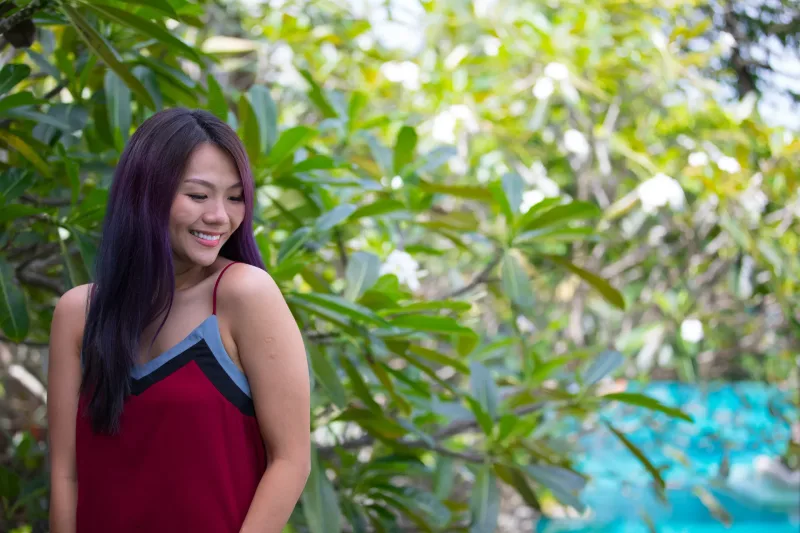
Clothing at a traditional Filipino wedding communicates cultural identity, not just style preference. If you’re the Western groom, what you wear is a statement about how seriously you’re taking her culture.
The traditional groom’s garment is an embroidered formal tunic typically made from pineapple fiber or similar sheer material, worn over a white undershirt and left untucked. It looks nothing like a Western suit, which is precisely the point. This style of formal wear has been part of Filipino wedding customs for centuries. Wearing one as a Western groom sends an immediate and visible message that you’re not just attending a Filipino wedding but participating in it.
That said, modern Filipino grooms sometimes wear tuxedos, and some couples mix it: the groom in traditional formal attire, groomsmen in suits. The range of acceptable choices is wider than it used to be.
The bride typically wears a white Western-style wedding gown or a formal embroidered dress with distinctive puffed sleeves that became part of traditional dress during the Spanish colonial period. Some brides change into this style for the reception after wearing a white gown for the ceremony.
Guests are expected to dress conservatively, especially for the church ceremony. Specific dress codes vary by family and region, but over-dressing is rarely a problem. Under-dressing is.
Bridesmaids and groomsmen often wear coordinated traditional or formal attire, sometimes in colors chosen by the couple. The entire visual presentation of the wedding party reflects the family’s taste and resources, and guests notice.
How Filipino Marriage Rituals Connect to Courtship
Understanding Filipino wedding customs requires understanding where they come from, specifically, how traditional courtship shapes the expectations a Filipina carries into engagement and marriage.
Traditional courtship in Filipino culture isn’t casual. A man pursuing a woman visits her family home repeatedly, spends time with her family, and demonstrates consistent interest over weeks or months before the relationship is formalized. One-on-one dating in private, the default in Western contexts, is a later addition. The original framework puts the family in the room from the beginning.
Acts of service are also central to traditional courtship: helping with household tasks, showing up for family events, demonstrating through action rather than words that the man is reliable and respectful. The modern equivalent is thoughtful gestures toward her family, consistent presence, and visible effort.
A recurring pattern in foreigner-dating communities involves men being confused by what feels like resistance from a Filipina they’re interested in. She seems interested, then pulls back. She invites him to meet her family, then seems to test him. This pattern often reflects a cultural convention of playing hard to get, which signals modesty rather than rejection. Knowing this doesn’t mean you should interpret every signal as secretly positive. It means the pace of courtship is often slower and more family-mediated than Western men expect.
The step of introducing her to your family is part of this same framework: mutual family inclusion is expected on both sides, not just hers.
If your relationship started online and you’re now thinking about visiting her in the Philippines, navigating courtship across distance shifts the traditional courtship timeline considerably. The principles remain: patience, family respect, and demonstrated intent.
Marriage in Filipino culture is not the end of family involvement. It’s the beginning of a new chapter of it. The sponsors stay in the couple’s life. The families remain in contact. Decisions that in Western culture would be private (where to live, how to manage finances, how to raise children) are often discussed with extended family as a matter of course. For a Western man marrying a Filipina, this is the adjustment that surprises people most: not the wedding itself, but the post-wedding structure.
Modern Filipino Weddings: Tradition Adapted, Not Abandoned

The most common misconception about Filipino weddings is that younger generations are abandoning tradition entirely. What’s actually happening is more selective.
Young Filipino couples, especially those living abroad or in urban centers, often retain the core ritual elements while adjusting the format. The formal family meeting might be shorter and held at a restaurant. The sponsor list might be trimmed to a handful of close family members. The reception might end at midnight instead of three in the morning. The money dance might be replaced by a wishing well. But the values behind these choices stay intact: family is central, community witnesses the marriage, and commitment is public.
Some Filipino-Western couples navigate this by deciding together which traditions carry meaning for them. A Filipina who grew up in the US might feel less connected to certain Filipino marriage rituals but still want her parents to feel honored through a version of the formal family meeting. A Filipina from a traditional provincial family might want the full ceremony, full sponsor list included, and expect her Western partner to learn what that entails.
Some Western partners raise a concern about control: if family is so involved, does that mean the couple doesn’t get to make their own decisions? Family involvement in Filipino culture is understood as support and blessing, not control. The line between input and interference can blur when cultural frameworks don’t match, though. What a Filipina’s mother considers a natural role in planning, a Western partner might read as overreach. Understanding the cultural framing helps you talk about these differences before they become a source of friction.
Frequently Asked Questions About Filipino Wedding Traditions
What is the most important Filipino wedding tradition?
There isn’t a single most important one, but the formal family meeting before the engagement is often the ritual that sets the entire relationship’s tone with her family. Skipping it sends a signal that’s hard to walk back.
Do all Filipino weddings follow the same customs?
No. Traditions vary widely by region, religion, and generation. A Catholic ceremony in Pampanga will look different from a civil wedding in Metro Manila or a ceremony in Mindanao. Treat any specific tradition as common rather than universal.
What does the coin exchange mean in a Filipino wedding?
The groom presents 13 coins, representing his commitment to provide for the family. The bride accepts them as a promise to manage the household. It’s one of the clearest Filipino wedding symbols of marriage as a shared, practical partnership.
What should a Western groom wear to a traditional Filipino wedding?
If you’re the groom, wearing traditional formal Filipino attire (an embroidered tunic made from plant-based fabric) is a strong cultural gesture. If you’re a guest, conservative formal dress is appropriate. Ask your partner or her family if you’re unsure about the expected standard.
Is the money dance required?
It’s traditional at many Filipino receptions but not universal. Some families skip it, some adapt it. If it’s happening at the wedding you’re attending, participating warmly is the right call.
How long does a Filipino wedding ceremony typically last?
The church ceremony alone can run 90 minutes to two hours with all sponsor rituals included. The reception often extends six to eight hours. Plan for a full day.
What if I can’t follow every tradition?
Communicate early and honestly. Most families understand that cross-cultural weddings require some adaptation. What matters is that you show you understand what you’re adapting and why the traditions exist, not just that you opt out because they’re unfamiliar.
What Filipino Wedding Traditions Actually Ask of You
Filipino wedding traditions aren’t a checklist of performances. They’re a coherent set of values expressed through ritual: family matters, community witnesses, commitment is public, and marriage is a partnership between two families, not just two people.
For a Western man marrying a Filipina, the practical ask is this: learn what each tradition means before you decide how to handle it. The formal family meeting isn’t bureaucracy. The coin exchange isn’t transactional. The money dance isn’t strange. Each one carries meaning that her family understands at a cellular level, and your willingness to understand it, even partially, is itself a gesture of respect.
The couples who navigate Filipino wedding customs well aren’t the ones who execute every ritual perfectly. They’re the ones who approach the whole process with genuine curiosity rather than tolerance. That distinction shows, and her family will notice it.

Start Meeting Filipinas for Free
Meet Filipinas looking for serious relationships, real conversations, and meaningful connections.