
Filipina vs Thai Women: Dating & Cultural Differences
If you are comparing Filipina vs Thai women, the most useful differences involve language, courtship, religion and the role of family. These can shape how a relationship begins and what happens when it becomes serious.
For an English-speaking person, the Philippines can offer an easier starting point for conversation. Thailand has a different language environment, alongside customs such as kreng jai, consideration for another person’s feelings, and sin sod, a marriage-related gift tradition. Both countries have family traditions worth understanding before making assumptions about commitment.
That is where a useful comparison starts. Nationality cannot tell you how affectionate someone will be, whether she wants children or how quickly she wants to date. Cultural context can, however, help you ask better questions and avoid misunderstandings that have little to do with attraction.
Filipina vs Thai Women at a Glance
| Dating consideration | Philippines | Thailand |
| Language | English shares official status with Filipino, and the country scores substantially higher in EF’s English proficiency research. | English ability varies; establishing a comfortable shared language deserves early attention. |
| Courtship | A distinct courtship stage can matter, especially in more traditional families. | Dating expectations vary by generation and setting; family approval can also be important. |
| Religious background | Roman Catholicism is the largest religious affiliation, alongside other Christian, Muslim and other communities. | Buddhism is the majority religion, alongside Muslim, Christian and other communities. |
| Communication | Indirect refusals and concern about embarrassment can coexist with easy conversation in English. | Politeness, preserving dignity and avoiding discomfort can influence how disagreement is expressed. |
| Marriage customs | Pamamanhikan can bring the couple’s families together to discuss marriage. | Sin sod may form part of a traditional engagement or wedding ceremony. |
These are starting points for understanding the cultural setting. The research and traditions behind them are explained below.
1. English Can Make Dating in the Philippines More Accessible
English is an official language of the Philippines, but that does not mean everyone speaks it fluently or uses it every day. For someone dating in English, the person’s location, education, work, and confidence with the language can make a considerable difference.
For example, someone working in an international company in Makati may use English throughout the working day and feel comfortable having detailed conversations in it. Someone in a smaller provincial community may have fewer reasons to speak English regularly. She might understand it well but feel less confident speaking, particularly during your first calls. These are examples of how everyday exposure can matter, rather than a rule about everyone living in either place. Fluent English speakers also live throughout the provinces.
English may not be the language your partner uses with family or friends. Some households speak Tagalog, while others use Cebuano, Hiligaynon, Ilocano, or another regional language. Assuming that all Filipinos speak Tagalog at home would overlook the country’s linguistic diversity.
This matters when you visit. You might communicate comfortably with your partner in English but struggle to follow conversations around the family dinner table. Relatives may switch back to their usual language naturally, so discuss how your partner can help you join in and consider learning a few useful phrases yourself.
When dating, look beyond whether someone can exchange straightforward messages. Can you both explain your feelings, understand each other’s humour, and discuss a disagreement without repeatedly losing the meaning? Texting gives someone time to translate or prepare a reply, while a video call can give you a better sense of how comfortably you communicate in real time.
The Philippines’ English-speaking environment can be helpful, but your expectations should reflect the person you are meeting. Give each other time, ask when something is unclear, and make learning about each other’s language part of getting to know one another.
2. Courtship and Becoming a Couple Can Be Separate Stages
In Filipino dating, panliligaw, or courtship, can be a distinct stage before a relationship becomes official. A woman may agree to conversations and dates while still deciding whether she wants to become someone’s girlfriend. Courtship remains an important part of Filipino dating, though dating practices in urban areas tend to be less traditional.
This matters if you are used to treating regular dates, affectionate messages or meeting friends as an automatic sign of exclusivity. She may still understand the situation as getting to know a suitor.
Ask directly: “Are we still getting to know each other, or would you like us to be exclusive?” It leaves room for a clear answer without assuming a particular number of dates settles the question.
Dating customs in Thailand vary by location. Bangkok tends to have a more modern dating scene, while rural communities may follow more traditional expectations, including getting to know a woman’s family as the relationship develops.

There is no useful national timetable for either country. Someone who wants a slow courtship should be able to explain what that means to her. Someone who prefers straightforward, informal dating should have the same opportunity.
3. Speaking English Easily Does Not Always Mean Speaking Directly
Speaking the same language does not always mean you interpret a conversation the same way. You might hear “Maybe next weekend” as a sign to start planning, while she may still be unsure or trying to decline politely.
In the Philippines, hiya can involve concern about embarrassment or hurting someone’s feelings. A woman may soften a refusal with “I’ll see” or “Maybe another time” because saying a direct “no” feels uncomfortable.
In Thailand, kreng jai involves being considerate of another person’s feelings and avoiding causing discomfort. A smile or nod may simply acknowledge what you said, so it helps to check before treating it as agreement. These habits vary from person to person.
For example, if you suggest spending a weekend together and she replies, “Maybe, I need to check,” wait for confirmation before booking anything. You could say, “No rush. If a whole weekend feels too much, would you prefer to meet for lunch?”
If she remains unsure, give her space to decide. The same applies to choosing a restaurant, arranging a video call or meeting family. Make it easy for both of you to express a preference, change a plan or decline without feeling guilty.
4. Religion Can Affect Wedding Plans and Raising Children
The religious backgrounds of the Philippines and Thailand differ substantially, and these differences can become more relevant as a couple moves from dating to planning a life together. Faith may influence conversations about marriage, family traditions, religious celebrations, and how children will be raised.
The 2020 Philippine census recorded 78.8% of the household population as Roman Catholic, while 6.4% identified as Muslim. Other Christian denominations and religious communities also form part of the country’s religious landscape.
However, national figures only tell part of the story. Muslim communities are particularly prominent in parts of Mindanao and the Sulu archipelago, including Lanao del Sur, the Maguindanao area, Basilan, Sulu, and Tawi-Tawi. In the 2020 census, Muslims made up 94.7% of the household population in Lanao del Sur and 97.2% in Tawi-Tawi. This means that a predominantly Catholic national identity does not describe every community or family.
Mindanao itself is diverse. The same census recorded Islam as the religion of 3.5% of the Davao Region’s household population, illustrating why it would be misleading to assume that everyone from the southern Philippines shares the same faith. For more on local relationship expectations, our guide to Davao dating culture explores family involvement, courtship, and long-term intentions.
In Thailand, 90% of adults identified as Buddhist in a nationally representative Pew Research Center survey conducted in 2022 and published in 2023. The survey also found that 7% identified as Muslim, another reminder that a country’s majority religion does not represent everyone.
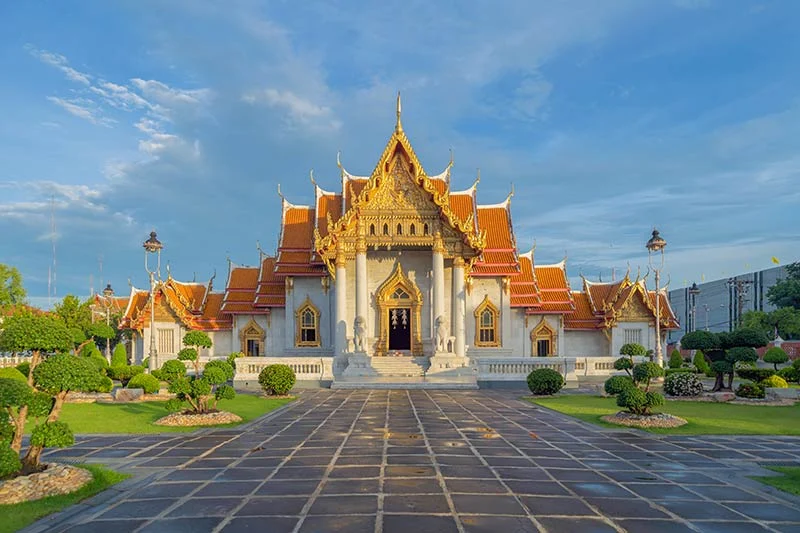
For couples, the practical question is how each person’s beliefs shape everyday life. Would either partner want a religious wedding? Is attending church, visiting a temple, or observing religious holidays important to them? Are there dietary practices or expectations about raising children that they want their partner to understand? These are useful conversations to have before making long-term commitments.
These figures describe religious affiliation, not how strictly an individual practices. They also come from different years and research methods, so they provide background rather than a direct comparison of religious commitment. Ask your partner what faith means to them personally, rather than assuming their beliefs or expectations from their nationality or hometown.
5. Family Involvement Can Continue After Marriage or Relocation
Both Filipino and Thai family life can involve close relationships and responsibilities extending beyond the couple. Understanding those ties becomes especially important when a relationship turns serious, particularly if one partner plans to move abroad.
In the Philippines, family connections often extend beyond parents and siblings to grandparents, aunts, uncles, and cousins. Relatives may provide practical, emotional, and financial support for one another. For some people, helping a parent or contributing to a sibling’s education is an established part of adult life. However, the responsibilities each person takes on vary by family and circumstances.
In Thailand, respect for parents and caring for them as they grow older can also shape adult responsibilities. In some families, a daughter may remain in or return to the family home to help care for her parents. This should not be treated as a fixed expectation for every Thai woman. Ask how responsibilities are shared in her particular family.
For international couples, wanting to move abroad and wanting to remain involved with family can exist together. A woman may be excited about building a life in your country while also wanting regular visits home, money set aside for a parent’s expenses, or the flexibility to return if someone becomes ill. Moving countries does not necessarily mean she expects those responsibilities to end.
Relocation therefore deserves a more detailed conversation than “Would you live in my country?” Discuss how often you would both want to visit your families, how travel would fit your budget, and what would happen if a parent needed ongoing care. Consider the transition too: if the relocating partner cannot work immediately, how would you handle any existing commitments during that period?
Distinguish an existing responsibility from an expectation placed on a new partner. “I contribute part of my salary to my mother’s expenses” and “I expect you to pay my mother’s expenses” describe different arrangements. Neither partner should have to guess which one is being proposed. Discuss what support already exists, whether it is regular or occasional, and what either of you would be comfortable contributing from shared funds. Apply the same openness to your own responsibilities, including children, older parents, or other dependants.
Meeting relatives also deserves context. An invitation to a family meal might be a casual introduction, an important step toward acceptance, or part of a more serious conversation about marriage. Ask your partner what the occasion means to her and whether her relatives know how serious the relationship is.
Close family ties do not automatically mean relatives will control your relationship. The useful question is how you and your partner will make decisions together while maintaining the relationships that matter to each of you. Discuss privacy, visits, financial boundaries, and how you would respond if a relative disagreed with your plans. Compatibility depends on whether you can agree on those choices, not simply on how involved either family is.
6. Pamamanhikan and Sin Sod Are Different Marriage Customs
Two traditions often appear in comparisons of Filipina and Thai relationships. Understanding what they involve is more helpful than treating either as a fixed requirement.
Philippines: Pamamanhikan
Pamamanhikan is a traditional meeting in which a man and his family visit his intended bride’s family to discuss marriage and seek their blessing.
If your partner wants such a meeting, establish its purpose beforehand. Will both families attend? Have you already agreed to marry? Will wedding costs, a date or living arrangements be discussed? Those details matter more than trying to reproduce a ceremony from an online checklist.
Thailand: Sin Sod
Sin sod, also written sinsod, is a traditional marriage-related gift presented to the bride’s family.
If it is part of your wedding plans, ask what the family intends: Is the presentation symbolic? Who contributes? Who keeps the money or gifts afterward? Has everyone agreed to an affordable amount?
A customary gift, a wedding budget and ongoing support for relatives are separate commitments. Discussing them separately makes the financial expectations much easier to understand.
7. City, Province and Dating Setting Can Change the Comparison
A “Filipina vs Thai” comparison becomes less informative when it ignores how the people being compared actually live. Nationality provides some cultural context, but location, upbringing, religion, work, and social circles also help shape someone’s approach to dating.
For example, comparing a woman you meet during a holiday in Bangkok with someone you have been speaking to for months in a Philippine province mixes several differences together. One connection may begin in a busy tourist setting, while the other develops through regular conversations about everyday life. Any difference you notice could reflect the setting, the pace of the relationship, or individual intentions.
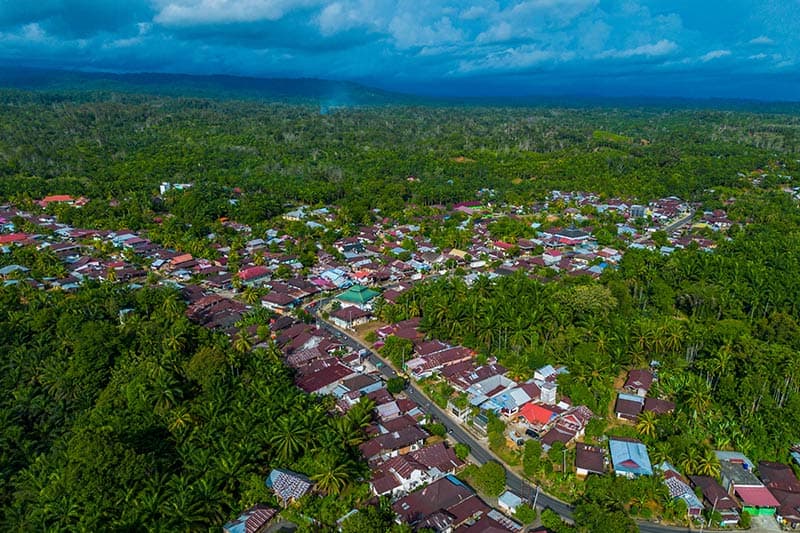
The same problem applies in reverse. A Thai woman living in a smaller community near her family may have different expectations from a Filipina building an independent career in Metro Manila. Neither woman represents everyone in her country, and living in a city does not automatically make someone interested in casual dating. Equally, living in a rural area does not guarantee conservative values or a desire to marry.
How you meet also matters. A dating app, an introduction through friends, a workplace connection, and a holiday encounter create different opportunities to get to know someone. A brief visit may reveal chemistry, but it gives you less time to observe how a person handles responsibilities, disagreements, and ordinary routines.
A more useful comparison considers people in similar circumstances. Are they at a similar stage of life? Do they want the same kind of relationship? Have you spent comparable amounts of time getting to know them? Someone who wants children soon may approach dating differently from someone focused on studying or establishing a career, regardless of nationality.
When you notice a difference, treat it as a reason to ask a question. If someone prefers group dates, ask what makes her comfortable. If she keeps your relationship private, discuss why and when she would want to tell others. Her explanation will tell you more about your compatibility than a broad assumption about Filipina or Thai women.
What About Affection, Loyalty and Traditional Gender Roles?
Questions about whether Filipina or Thai women are more faithful, more affectionate, or more “traditional” attract attention because they promise an easy way to predict a relationship. However, language scores, religious affiliation, and descriptions of customs cannot tell you whether an individual will be loyal or how quickly she will feel comfortable with intimacy. Street interviews reveal the opinions of the people interviewed, rather than establishing a reliable national pattern.
Faithfulness is something to discuss and assess within the relationship. Have you agreed to be exclusive? Do you share the same understanding of what counts as cheating? Does each person follow through on commitments and respect the boundaries you have agreed on? These questions provide a more useful basis for trust than nationality.
The pace of physical intimacy also requires individual communication. Someone may want to wait because of personal beliefs, previous experiences, or simply because she needs more time to feel comfortable. Affection does not imply consent to anything further, and a slower pace does not automatically indicate a lack of interest. Discuss boundaries without treating them as something to negotiate away.
Be equally careful with the word “traditional.” One person may mean marriage and children. Another may mean shared religious practice, close relationships with parents, or a household supported by one income. Someone else may expect clearly divided roles between husband and wife. These preferences can overlap, but they are not interchangeable.
If someone says she wants a traditional relationship, ask what she imagines an ordinary week would look like. Would both partners work? Who would cook, clean, and manage money? How would childcare be divided? Would either person expect to pause a career, and would that be financially realistic?
Share your own expectations just as clearly. If you want a partner who earns an income while also handling most household tasks and childcare, that deserves an honest conversation about workload. If one partner stays home, discuss access to money, personal spending, savings, and how both people will participate in financial decisions.
A Filipina who wants to stay home with children and a Filipina who wants to continue her career can both value family deeply. The same range of choices belongs in a discussion with a Thai partner. Preferences may also change after having children, moving countries, or experiencing a change in income.
Compatibility depends on whether you both want an arrangement that feels fair and can realistically sustain it. A shared label such as “traditional” is only a starting point. What matters is whether you agree on what it would mean in your daily lives.
Is Dating a Filipina or a Thai Woman a Better Fit for You?
If English is your main language, you may find it easier to get to know someone in the Philippines, where English is widely spoken. Being able to communicate comfortably can make it easier to move beyond introductions and talk about family, work, personal values, and what you both want from a relationship. However, you still need to check that you understand each other, especially when discussing sensitive subjects or future plans.
If you live in Thailand, speak Thai, or already have meaningful connections there, those circumstances may make dating in Thailand more practical for you. Opportunities to spend time together, meet each other’s friends, and share ordinary routines can matter more than the national averages in a comparison chart.
Think about what you can realistically offer a relationship, too. How often could you visit if you lived in different countries? Would either of you consider relocating? Do you have the time and willingness to learn about another person’s language and culture? Your answers can help you decide where pursuing a connection makes sense.
For readers interested in the Philippines, FilipinoBlush is a dating app focused on connecting Filipino singles and people interested in Filipino dating. You can start conversations for free, get to know someone at a comfortable pace, and ask about the parts of life that matter to you both.
Approach those conversations with curiosity. Find out what she enjoys, what she is working toward, how she sees family life, and what kind of partnership she wants. Share your own answers openly so that you are both assessing whether the connection could work.
Cultural differences can help you understand each other, but they cannot make the decision for you. Let the person’s answers, consistent actions, and the relationship you build together guide what happens next.
Frequently Asked Questions
What is the biggest difference between dating a Filipina and a Thai woman?
For an English-speaking person, language can be the most immediate difference. Other relevant differences include the countries’ religious backgrounds and marriage customs. Individual expectations about exclusivity, family and children still need to be discussed directly.
Do Filipina women generally speak better English than Thai women?
The Philippines scores substantially higher than Thailand in EF’s English proficiency research, and English has official status in the Philippines. These national indicators provide context, but an individual Thai woman may be fluent in English and an individual Filipina may prefer another language.
Are Filipina or Thai women more family-oriented?
Both countries have strong family traditions. The practical question is what family involvement would mean in your relationship, including caring responsibilities, financial commitments, visits and living arrangements. Nationality alone cannot settle those expectations.
What is the difference between pamamanhikan and sin sod?
Pamamanhikan is a Filipino family meeting connected with marriage plans and seeking a family’s blessing. Sin sod is a Thai marriage-related gift tradition. They serve different purposes, and the details should be discussed with the partner and families involved.
Do Filipina or Thai women prefer older foreign men?
Some Filipina and Thai women are open to dating older foreign men, while others prefer someone closer to their own age or from a similar background. Neither nationality tells you what an individual woman finds attractive or wants in a partner.
If there is a significant age gap, discuss how it could affect your future together. Do you both want children? Is one person approaching retirement while the other is building a career? Where would you live, and what lifestyle would suit you both? Mutual attraction matters, but so does having compatible plans and an equal say in the relationship.

Start Meeting Filipinas for Free
Meet Filipinas looking for serious relationships, real conversations, and meaningful connections.